
What really happens on a brand shoot day: a behind-the-scenes walkthrough
What really happens on a brand photo and video shoot day? A plain-English walkthrough from call time to wrap, with tips for Sri Lankan businesses.
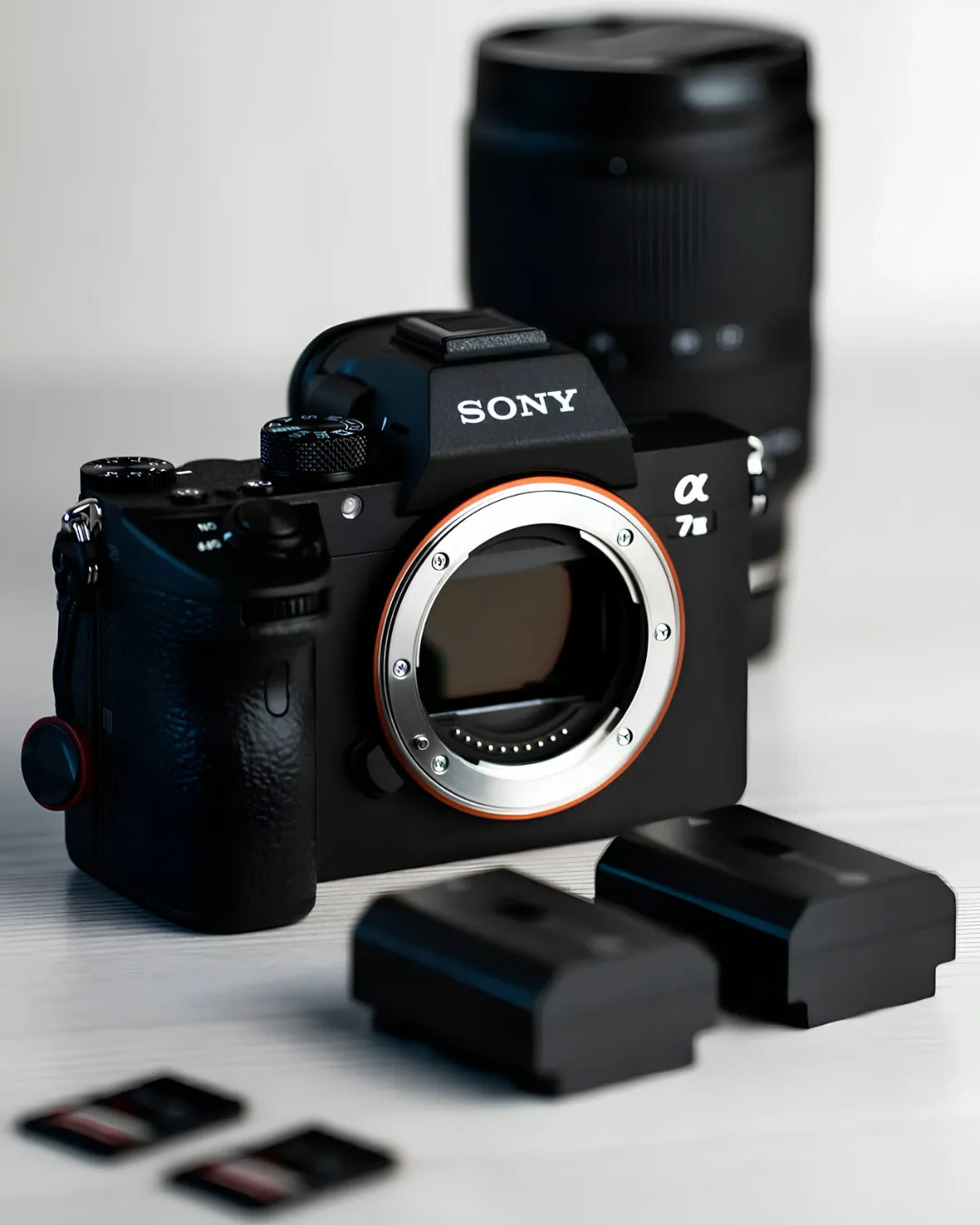
If you have never been on a set, a brand shoot can feel like a mystery. People arrive with cameras, lights go up, someone asks for “one more take.” This behind-the-scenes walkthrough follows a typical brand shoot day from call time to wrap, in plain English, so you know what to expect and what to ask.
What follows is the standard shape of a professional shoot day, based on published industry guides. Every production team works a little differently, so treat it as a guide to the questions worth asking, not a rulebook.
The day runs from a one-page plan
Everything starts with a call sheet. Assemble describes it as a daily document sent to cast and crew. It lists the call time, meal times, the location with parking and drop-off, the nearest hospital, the weather forecast, contacts and a timed schedule. It is best kept to one page.
Lemonlight adds that a printed schedule or storyboard lets everyone track the day.
Permissions should be settled before this point. Check with the location owner, and with the relevant authority for public places, well before shoot day. If a drone is part of the plan, the Civil Aviation Authority of Sri Lanka (CAASL) says approval goes through its online system or form CAA/OP/079, and a security clearance from the Office of the Chief of Defence Staff comes first. Rules change, so check the current requirements at caa.lk/en/drones.
Setup happens before you arrive
Lemonlight says the crew arrives at the general call time and sets up before the client arrives. On a video shoot, the director of photography (DP) looks after the camera, lighting and shot execution. A gaffer, the person who puts up and adjusts lights, handles lighting. A sound person records on-set audio.
Lemonlight’s checklist also covers gear. Cameras, lenses, lights and audio gear are charged and set to matching resolution, frame rate and colour settings. Spare batteries and cards are packed, plus a separate audio recorder.
In Colombo’s humidity, Photography Life warns that moving from an air-conditioned space into humid heat can fog lenses. It suggests sealing the camera in a zip bag until it reaches the outside temperature.
Working through the shot list
The shot list is the backbone of the day. Lemonlight’s checklist says to work through the shot list first, then capture B-roll (extra footage that covers the main scenes), cutaways and safety takes (extra versions of a shot, just in case).
Details matter between shots. Lemonlight says to keep wardrobe, props and set consistent. It also says to listen to audio on headphones before each setup, checking for hum, wind and echo.
Wistia’s common mistakes include poor sound and shaky footage. Its fixes: control the environment, keep the microphone close to the speaker, and use a tripod for talking heads.
If you need both vertical and horizontal versions, this is the moment it shows up. PremiumBeat describes three approaches:
- Crop vertical out of the wide footage. This can feel “claustrophobic” unless the shot is framed for both.
- Shoot again in vertical. This frames better but nearly doubles editing time.
- Run a second camera at the same time. This suits shoots with no time for retakes but works best with a second operator.
We suggest agreeing the approach in the planning stage, not on the day.
How feedback and breaks work on set
Lemonlight says client attendance is optional. If you come, plan on 0 to 3 representatives and tell the crew the number ahead of time. Feedback typically goes through the director, which keeps the day moving.
Small tweaks are workable on set, such as an expression or removing a background prop. Major creative changes should have been raised at the script or storyboard review.
Lemonlight describes lunch about five hours into the day, with everyone breaking together and snacks and water on hand. It also notes that running over schedule can increase client costs. We suggest asking your production team how overtime is handled before the day.
Wrap: pickups and backups
Before wrapping, Lemonlight says to capture pickups (any shots still missing) while the crew, talent and set are all in place.
After that, the footage needs a safe home. Lemonlight’s post-production checklist says to back up in at least two locations, label the files and log the selects (the best takes).
After the shoot: review, edit and delivery
Lemonlight says the first cut is built against the script and shot list, then goes through structured feedback rounds. Brand details such as logo, colours and fonts get checked. Videos are exported to each platform’s specs. Captions are added, since much social video plays muted.
For photos, Narrative recommends a consistent edit style, delivery through the client’s preferred method (Dropbox, Google Drive, WeTransfer, USB), and file names that include the project, subject and sequence number. It also suggests small JPEG proofs so clients can pick favourites.
Narrative’s tip: deadlines matter as much as quality. We have no sourced figure for how long editing takes, and it depends on the job, so ask for a delivery date and revision rounds in writing.
Frequently asked questions
Do I need to be on set?
It is optional. Lemonlight suggests planning for 0 to 3 client representatives and telling the crew the number beforehand.
Can we get vertical and horizontal video from one shoot?
Yes, but it needs a plan. PremiumBeat covers three methods: crop, reshoot in vertical, or use a second camera. Each trades off framing, time and cost.
What happens if it rains?
Colombo sits in the south-west monsoon zone. Rough Guides says rain is typical from April or May to September and heaviest from April to June. October and November can bring heavy rain and thunderstorms. Ask your team about a backup plan before the day. Assemble notes the call sheet carries the weather forecast.
Planning a shoot?
Tell us about your brand and what you need your photos and videos to do. Message Bad Batch Media at [email protected] or through badbatchmedia.com.
Sources
- Assemble, “How to make a call sheet”
- Lemonlight, “What to expect on your project’s production day”
- Lemonlight, “Video production checklist”
- Wistia, “Top video mistakes to avoid”
- PremiumBeat, “3 ways to shoot vertical video”
- Narrative, “Delivering photos like a pro”
- Photography Life, “Protect your camera from humidity”
- Rough Guides, “Weather in Sri Lanka and when to go”
- Civil Aviation Authority of Sri Lanka, drones